What Is a Bathroom Set and What Does It Include?
A Bathroom Set is a coordinated group of products designed to make a bathroom feel consistent, practical, and easier to use. The term is not perfectly standardized. That can be confusing. In one store, it may describe a matching vanity, mirror, and cabinet. In another, it may mean smaller accessories, such as a soap dispenser, toothbrush holder, tumbler, toilet brush, and waste bin. Some retailers also use the phrase for a complete bathroom suite, including a toilet, basin, bathtub, or shower components.
Certified kitchen and bath designer Mary Jo Peterson has emphasized, “Good bathroom design begins with how people live, not with a list of products.” That idea matters when comparing a Bathroom Set. A polished appearance is helpful, but it should not replace sensible measurements, safe materials, or comfortable daily use. For example, a wall-mounted dispenser should sit near the sink, while a vanity needs enough clearance for knees, doors, and cleaning.
A well-chosen set can reduce visual clutter. Matching finishes, such as brushed brass or matte black, create a clearer design language. However, identical pieces are not always the best choice. A glass accessory may look elegant but require frequent wiping. A wooden cabinet may feel warm but need protection from standing water. The details matter.
This guide explains what a Bathroom Set usually includes, how product categories differ, and which features deserve closer attention. Definitions vary by supplier. Your room, habits, plumbing layout, and budget should shape the final decision. A set should support real life, not merely look complete in a product photograph.
Definition and Purpose of a Bathroom Set
A bathroom set is a group of coordinated accessories designed for daily washing, grooming, and storage.
Its purpose is practical, not merely decorative. By placing common items together, a set can reduce clutter around the sink and make routines easier to manage.
A typical bathroom set may include a soap dispenser, toothbrush holder, drinking tumbler, soap dish, and small storage tray.
Larger sets can add a toilet brush, wastebasket, tissue box, or matching containers.
The exact contents are not fixed.
In product research, I have found that “set” sometimes means only three pieces, while other sellers include six or more. Checking the item list matters.
The best set supports hygiene and simple maintenance.
Smooth, nonporous surfaces are usually easier to wipe clean. A dispenser with a wide opening is more convenient to refill. Ventilated holders can help toothbrushes dry between uses.
Small details matter.
I once chose a beautiful holder with a narrow base, but it tipped whenever the counter became wet. That experience changed how I judge bathroom accessories.
Stability, drainage, and cleaning access deserve attention before color or shape.
A bathroom set should also fit the room’s size.
Too many pieces can crowd a small sink and create more surfaces to clean.
The right combination gives everyday items a clear place without making the bathroom feel overfilled.
Core Items Commonly Included in a Bathroom Set
What Is a Bathroom Set and What Does It Include?
Core Items Commonly Included in a Bathroom Set
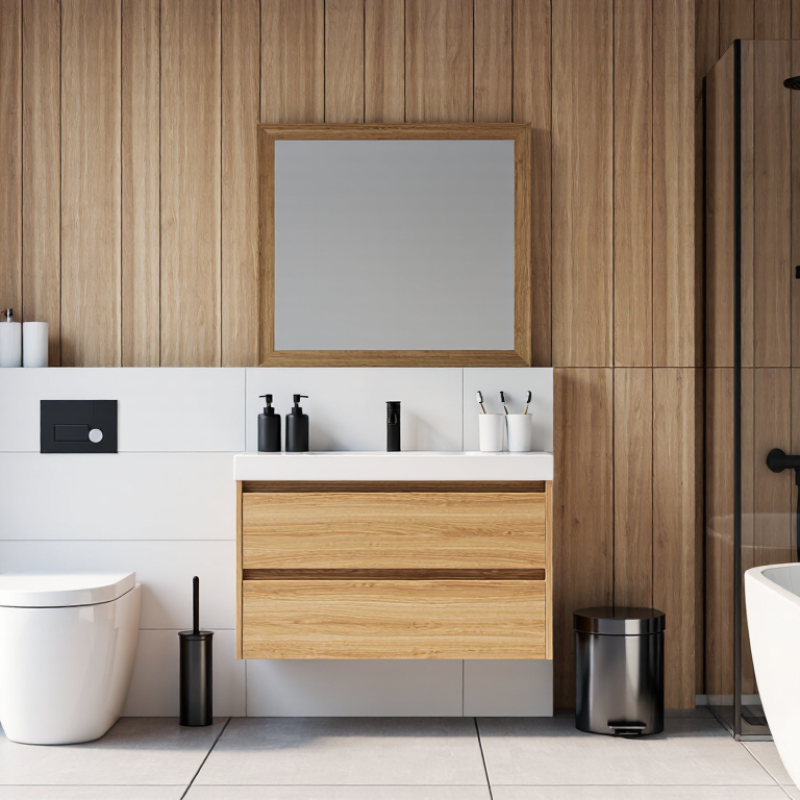
A bathroom set usually combines matching fixtures and accessories for one coordinated space. The core pieces often include a vanity, basin, mirror, toilet, and storage cabinet. Some sets also contain a bathtub or shower tray. Towel rails, a toilet roll holder, a soap dispenser, and a small waste bin may be included too. However, “complete set” does not always mean every item is inside the box.
Check the details carefully.
In bathroom planning, I have found that the vanity and basin usually create the visual centre. A wall-mounted cabinet can make a narrow room feel less crowded. A framed mirror helps reflect light, especially above a small white basin. Toilets may differ in outlet position, seat height, and flushing design. These details affect installation, so measuring the existing plumbing matters before ordering. I once underestimated door clearance, and the cabinet opened into the towel rail. It worked, but not well.
Material quality deserves attention. Moisture-resistant boards, sealed edges, solid hinges, and easy-clean ceramic surfaces generally support longer use. A bathroom set should also suit the room’s ventilation, floor space, and daily habits. Families may need deeper storage, while a guest bathroom may require less furniture. Accessories are useful, but they should not distract from safe movement around wet areas. Always compare the included hardware, fitting instructions, warranty terms, and professional installation requirements. Small omissions can create extra cost and frustrating delays.
Different Types of Bathroom Sets and Their Uses
What Is a Bathroom Set and What Does It Include?
A bathroom set is a coordinated group of fixtures and accessories. It may include a basin, tap, toilet, shower fittings, mirror, towel rail, and soap holder. The exact package varies by supplier and room size. Always check the product list. A “complete set” may exclude the waste trap, valves, or installation hardware.
Different types serve different routines. A basin set suits compact bathrooms and guest toilets. It usually combines a washbasin, mixer tap, waste, and sometimes a cabinet. A shower set may include a handset, riser rail, hose, mixer, and overhead shower. Thermostatic versions help maintain steady water temperature. A toilet set normally contains the pan, cistern, seat, and flush mechanism. Wall-hung designs expose more floor area, but they need a strong concealed frame.
Think about water use, too. The U.S. Environmental Protection Agency reports that bathroom faucets account for about 15% of indoor household water use. Showers use roughly 17%, while toilets use nearly 30%. Efficient fittings can therefore reduce daily consumption.
However, low flow is not automatically comfortable. Pressure, pipework, and household habits matter. I would not choose a set by appearance alone.
A family bathroom may need double basins and storage. A small ensuite benefits from a narrow vanity and corner shower. Universal-design sets add grab bars, slip-resistant surfaces, and easier controls. These details support safer movement. Houzz’s 2024 U.S. Bathroom Trends Study also identifies shower-area upgrades as a common remodeling choice. Yet trends change. A timeless layout may serve better than an overcrowded feature wall.
How to Choose a Bathroom Set for Your Space
What Is a Bathroom Set and What Does It Include?
A bathroom set usually combines coordinated fixtures and storage, such as a basin, toilet, vanity, mirror, cabinet, and matching accessories. Some sets include lighting or a shower unit, while others contain only the main ceramic fixtures. Understanding the contents matters because “complete set” can mean different things to different suppliers.
How to Choose a Bathroom Set for Your Space
Start with accurate measurements. Record wall length, ceiling height, door swing, window position, and existing pipe locations. A compact wall-mounted vanity can free floor space in a narrow bathroom. In a larger room, a double basin may improve morning routines, but it needs enough clearance between users and nearby walls.
Think about daily use, not only appearance. Families may need deep storage, easy-clean surfaces, and a durable toilet seat. Older users could benefit from slip-resistant flooring and comfortable access around the basin. Check water connections before choosing unusual layouts. Moving pipes often costs more than expected.
Material quality deserves close attention. Moisture-resistant boards, sealed edges, corrosion-resistant fittings, and strong hinges usually perform better in humid conditions. Ventilation also protects cabinets and prevents persistent mould. I once underestimated storage needs in a small bathroom; attractive open shelving soon looked crowded. That mistake changed my view of “minimal” design. Measure every item, including handles and mirror clearance. Leave space for cleaning.
Materials, Placement, and Basic Care Considerations
A bathroom set usually combines coordinated items such as a soap dispenser, toothbrush holder, tumbler, waste bin, tissue box, and storage tray. It may also include matching towels, bath mats, or shower accessories. The goal is practical consistency, not decoration alone. Materials affect durability. Ceramic and glass offer a clean, stable feel, while stainless steel resists moisture when its finish is maintained. Bamboo or sealed wood can add warmth, but standing water may cause swelling or staining.
Placement should support easy movement and safe daily routines. Keep soap near the sink, with enough space to dry hands without knocking items over. A toothbrush holder needs ventilation and should stay away from toilet splash zones. Place heavier containers on stable surfaces.
Wall-mounted accessories can save counter space, but they require secure installation and suitable wall support. I have found that crowded counters become difficult to clean, even when the set looks attractive. Small details matter.
Tips:
Wipe surfaces regularly with a soft, damp cloth. Dry wood-based pieces immediately. Do not use abrasive pads on delicate finishes. Rinse soap residue before it hardens. Check metal edges and joints for early rust or looseness. Replace cracked containers promptly. Some items may look waterproof but are only water-resistant, so product instructions still deserve attention. Even careful routines can miss hidden moisture underneath a tray.