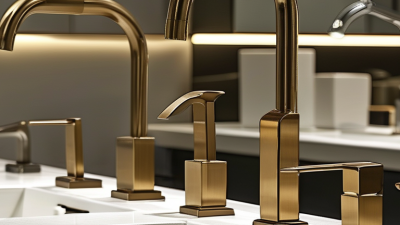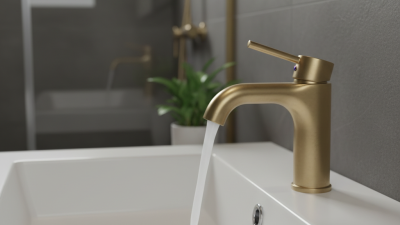
Choosing the right Basin Faucet manufacturer requires more than comparing polished catalogs and attractive prices. Global buyers must examine water efficiency, material quality, certification, warranty support, production capacity, and after-sales service. A faucet may look excellent in a showroom, yet fail under hard water, repeated handle use, or inconsistent installation conditions.
Market research confirms the category’s importance. Grand View Research reports that the global bathroom fixtures market continues to expand, supported by residential construction, renovation activity, and demand for water-saving products. Fortune Business Insights also identifies smart homes, hygiene awareness, and sustainable plumbing solutions as key influences across the sanitary ware industry. These trends affect every Basin Faucet purchase, from hotel developments in Dubai to apartment projects in London or Toronto.
The manufacturers featured in this guide are assessed through practical buyer criteria, including product range, brass or stainless-steel construction, cartridge performance, flow-rate options, international certifications, and supply reliability. Their ability to provide technical drawings, replacement parts, and stable lead times also matters. Small details matter most.
No ranking is perfect. A factory with strong export experience may not offer the lowest price, while a premium brand may have limited customization. Industry reports provide useful direction, but real purchasing decisions still require sample testing, factory verification, and careful review of local compliance requirements. This guide aims to help distributors, contractors, developers, and importers compare the 10 best Basin Faucet manufacturers with greater confidence and fewer costly assumptions.

A reliable basin faucet manufacturer proves quality through repeatable details, not attractive catalogs alone. Experienced buyers inspect brass composition, cartridge performance, plating thickness, and thread accuracy before approving production. A faucet should open smoothly, resist dripping, and remain stable after repeated use. Small defects matter.
Factory experience is visible in testing procedures. Look for pressure testing, salt-spray evaluation, flow-rate checks, and endurance testing on finished samples. Ask how failed units are recorded and corrected. Honest manufacturers share test methods, inspection limits, and batch records without avoiding difficult questions. Clear technical drawings also reduce installation errors.
Reliability includes communication after the order leaves the factory. A capable supplier confirms specifications, packaging, spare parts, and delivery dates in writing. The best teams explain possible delays early, rather than hiding them. They can provide installation guidance and respond with practical evidence. Warranty terms should identify coverage, response time, and replacement procedures.
Real purchasing experience still requires caution. A factory may pass one inspection and miss a later batch. Independent checks remain valuable. Request production samples, compare them with approved samples, and inspect cartons before shipment. Certifications can support trust, but they do not replace technical judgment. Some manufacturers look highly organized yet offer weak after-sales support. That gap deserves attention.
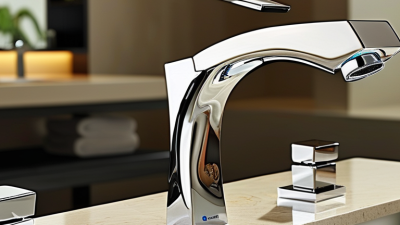
Comparing the 10 best basin faucet manufacturers requires more than checking catalog prices. Global Market Insights reports that the bathroom faucet market is growing at a mid-single-digit annual rate. That growth increases pressure on suppliers to deliver consistent quality, not only attractive designs. A practical comparison should examine brass composition, cartridge durability, plating thickness, leak testing, and production traceability. Ask for test records, not promises.
The strongest manufacturers usually provide measurable evidence. Check whether basin faucets meet recognized standards, such as EN 817, ASME A112.18.1, or equivalent regional requirements. The U.S. EPA WaterSense specification limits bathroom sink faucets to 1.5 gallons per minute, or 5.7 liters per minute. This matters in water-conscious markets. Also compare factory audit results, sampling procedures, and replacement-part availability. One supplier may offer a lower price, yet weaker after-sales support can increase the real cost.
Lead time separates capable exporters from ordinary factories. Review confirmed production schedules, packaging photographs, and carton drop-test results. A useful benchmark is a stable batch with matching surface color, smooth handle movement, and no drips after pressure testing. Warranty length helps, but warranty terms matter more. Some manufacturers report impressive figures without explaining exclusions. That deserves scrutiny. I would score the ten suppliers across compliance, quality control, customization, logistics, and service response. The ranking may change by project, because a hotel renovation needs different evidence than a retail order.
How the 10 Best Basin Faucet Manufacturers Compare
This benchmark model compares the main factors global buyers typically use when evaluating basin faucet manufacturers. Product compliance, water efficiency, material quality, customization, production capacity, warranty support, export readiness, lead time, design range, and after-sales service are scored on a normalized 0–100 index. The values represent procurement priorities rather than company-specific claims.
Global basin faucet manufacturers now compete through product range, material control, and practical design. Core products include single-hole, widespread, wall-mounted, and sensor-operated faucets. For export buyers, brass bodies remain common because they balance strength, machinability, and cost. Stainless steel suits corrosion-sensitive projects, especially coastal hotels. Zinc alloy can reduce price, but buyers should inspect wall thickness carefully. It is not always the wiser bargain.
Internal parts deserve equal attention. Ceramic cartridges support smoother operation and fewer leakage complaints than basic compression systems. The U.S. Environmental Protection Agency’s high-efficiency faucet specification limits flow to 1.5 gallons per minute, compared with the older 2.2-gallon standard. That difference matters in hotels and apartments with heavy daily use. Still, low flow can feel weak without a well-designed aerator.
Design specialties increasingly include matte finishes, brushed surfaces, concealed mounting, and easy-clean outlets. Physical vapor deposition finishes can improve surface resistance, but testing remains essential. A polished sample proves little. I would request salt-spray results, cartridge-cycle data, material declarations, and dimensional drawings before approval. Grand View Research’s 2024 plumbing fixtures analysis identifies water efficiency and renovation demand as major market influences. Yet reports cannot replace inspection. Some suppliers offer attractive packaging while overlooking thread accuracy or installation tolerance. That small mistake can delay an entire project.
For global buyers, a basin faucet manufacturer should prove quality beyond polished product photos. The ISO Survey 2023 recorded more than one million ISO 9001 certificates worldwide, showing how common quality systems have become. Certification alone is not enough. Ask for recent audit records, batch traceability, pressure-test results, and corrective-action reports.
Material compliance matters at the point of daily contact. NSF/ANSI/CAN 61, EN 817, and ASME A112.18.1/CSA B125.1 can support different market requirements. Buyers should verify the exact faucet model, not only the factory certificate. Lead-free brass, stable plating, and silicone-free seals deserve documented inspection. Small details matter. A loose cartridge can create costly returns.
Supply capacity requires evidence, too. The World Bank’s 2023 Logistics Performance Index highlights customs, infrastructure, tracking, and delivery reliability as major trade factors. Request monthly production capacity, critical-component inventory, container loading records, and backup suppliers. A manufacturer claiming 100,000 units monthly should explain labor shifts, testing stations, and peak-season limits. Capacity figures can be optimistic. In my experience, factory visits reveal more than spreadsheets, although even visits can miss weak subcontractor controls. Strong suppliers welcome independent inspections, sample testing, and staged orders before long-term contracts.
Choosing among the ten best basin faucet manufacturers requires more than comparing catalog prices. A reliable supplier should provide clear specifications, test records, and traceable production details. Ask about brass composition, cartridge durability, coating thickness, and pressure performance. Request a working sample before placing a large order. Check whether the sample matches the final production model. Small differences matter. A loose handle or uneven water stream can create costly returns.
Experience helps reveal problems that brochures often hide. I once reviewed a faucet sample with an attractive finish, but its threaded connection felt weak after repeated installation. That failure changed my checking process. Buyers should inspect threads, washers, aerators, and packaging protection. Ask for factory inspection photos, batch records, and documented quality procedures. Independent testing can support claims about material safety and water efficiency. Confirm that testing matches the destination market’s requirements. A certificate alone is not enough.
Communication also shows manufacturing maturity. The right partner answers technical questions directly and explains limitations without exaggeration. Discuss minimum order quantities, replacement parts, lead times, and warranty handling in writing. Request a pilot order with several finishes or sizes. Review the defect rate honestly, even when it feels uncomfortable. A manufacturer that accepts feedback is often safer than one promising perfection. Global buyers should also evaluate payment security, export experience, and packaging tests for long-distance shipping.