How to Choose the Best Faucet Lever for Your Home?
Choosing the right faucet lever for your home is essential. According to John Smith, a plumbing expert with over 20 years of experience, "The right faucet lever can transform your kitchen or bathroom." His advice emphasizes the importance of functionality and style.
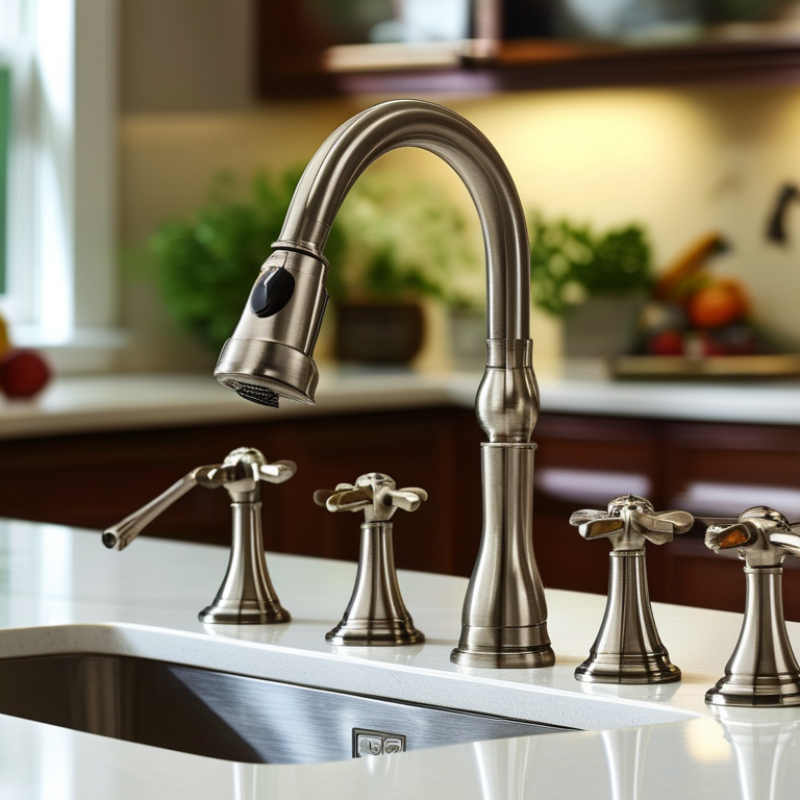
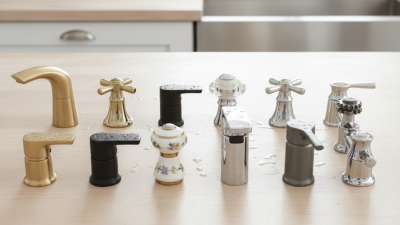
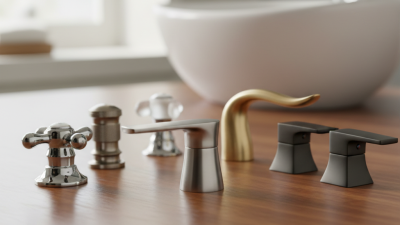
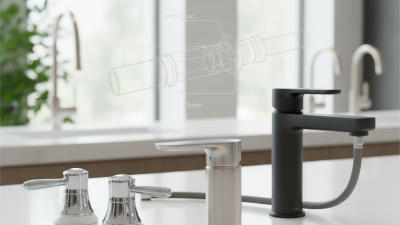
When selecting a faucet lever, consider your home's overall design. Different materials and finishes can greatly impact appearance. A stainless steel lever may look sleek, while a vintage-style lever adds charm. Balance is crucial.
Don’t forget the ergonomics. A lever that’s too stiff or loose can frustrate daily use. Pay attention to how it feels. Make a decision based on both aesthetics and practicality. Finding the perfect faucet lever may take time, but it's worth the effort for a lasting impression in your home.
What to Consider When Choosing a Faucet Lever Style
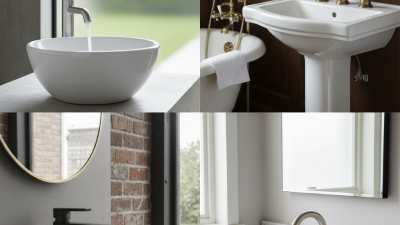
Choosing the right faucet lever is essential for both functionality and aesthetics in your home. When considering faucet lever styles, think about the overall design of your kitchen or bathroom. The lever should complement your existing fixtures and enhance the space. A modern lever might suit a contemporary setting, while a traditional lever could fit better in a classic environment.
Material is another key aspect. Stainless steel, for example, is durable and easy to maintain. Brass offers a vintage look but may require more upkeep. Consider how often you use your faucet. High-usage areas might benefit from a more robust finish to avoid wear and tear. Don't overlook size and reach; a lever that is too small can be difficult to operate, especially with wet hands.
Finally, consider your personal preferences. Do you like a sleek, minimalist look or something more ornate? A mismatch between your style and the faucet lever can create a space that feels off-balance. Reflect on how the lever will feel in your hand, and don't be afraid to test different styles. Each choice reflects your taste and lifestyle. Choosing wisely ensures your faucet lever is both practical and visually appealing.
Understanding Different Faucet Lever Materials and Durability
When selecting a faucet lever, the material plays a crucial role in durability and aesthetic appeal.
Common materials include metal, plastic, and ceramic.
Metal levers, particularly stainless steel, offer robustness and resistance to corrosion.
They tend to last longer and enhance a modern look.
However, they can be prone to scratches, which may detract from their appearance over time.
Plastic faucets are lightweight and easy to handle.
They come in various colors and styles, making them a versatile choice.
While affordable, plastic can wear out quickly and may not withstand heavy use.
Consider the plumbing environment—high mineral content in water may lead to quicker deterioration of plastic levers.
Ceramic levers provide a unique visual appeal and are resistant to fading.
Yet, they can be brittle and may chip if mishandled.
Choosing the best faucet lever also means reflecting on your lifestyle.
Do you often use the faucet for heavy-duty tasks?
Durability becomes even more critical in that case.
In contrast, a decorative faucet in a guest bathroom may prioritize style over strength.
Assessing your specific needs leads to the most suitable choice for your home.
Assessing Your Home's Aesthetic and Functional Needs
When selecting a faucet lever, it's essential to consider both aesthetics and functionality. The right lever can enhance your home’s look while serving practical purposes. According to the American Home Furnishings Alliance, 75% of homeowners cite kitchen and bathroom upgrades as a top priority. Thus, finding a suitable lever often involves understanding your home’s design theme.
Think about the materials used in your kitchen or bathroom. Stainless steel, for instance, offers a modern feel and durability. In contrast, brushed nickel provides a classic look. Both can complement various designs and increase your home's appeal. Visualizing how the lever fits into your space is crucial. Use design tools or apps to experiment with different styles before making a decision.
Tips: Ensure the lever height matches your sink or countertop. A high lever can make one-handed operation easier. Don't overlook the ease of cleaning; simpler designs often collect less grime.
When weighing choices, assess the ergonomic features. According to the National Kitchen and Bath Association, ergonomic designs can reduce strain, improving functionality. Consider how often you use your faucet. If it’s frequently used, a lever with a smooth operation can significantly enhance your experience. Your selection might reflect your home’s integrity. Invest time in making the best choice.
Comparing Prices and Brands of Faucet Levers
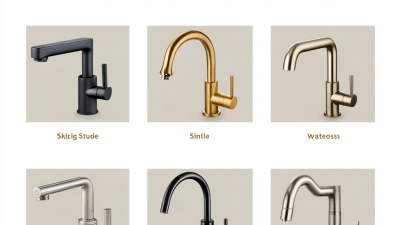
When comparing prices and brands of faucet levers, it’s crucial to explore various options available in the market. Prices can vary significantly based on materials. For instance, metal levers tend to be more expensive than plastic ones, but they offer better durability. Customers often report that their choice depends on balancing cost with desired longevity.
Brand reputation plays a vital role too. Established brands usually provide more reliability. However, emerging brands can sometimes offer competitive pricing. It's essential to check reviews from other consumers. Look for feedback on the quality and longevity of the faucet levers. This information can sometimes reveal hidden pitfalls.
Price is only one aspect. Some levers appear affordable initially but might lead to higher long-term costs due to repairs or replacements. Consider warranties as well. A product with a solid warranty often indicates a manufacturer’s confidence in their quality. Researching different options ensures you make an informed choice. Your faucet lever should enhance your home, not become a source of frustration.
Comparing Prices of Faucet Levers
Installation Tips and Maintenance for Your Chosen Faucet Lever
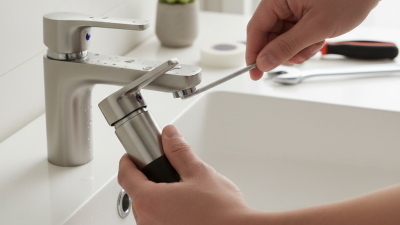
When installing a new faucet lever, ensure you have the right tools. A wrench, screwdriver, and plumber's tape are essential. Begin by shutting off the water supply. This step is crucial to avoid any surprises. Align the faucet lever with the existing holes. It should fit snugly without forcing it.
Maintenance is just as important as installation. Regularly check for leaks around the base of the faucet. Tighten any loose screws if necessary. Cleaning your faucet lever with gentle soap can preserve its finish. Avoid abrasive cleaners, as they can cause scratches. If you notice any wear, consider replacing it before issues escalate. Being proactive can save both time and money in the long run. Remember, even a small oversight can lead to significant problems later. Always take your time and double-check your work.