


How Do You Choose a Shower Hinge for Ultimate Longevity
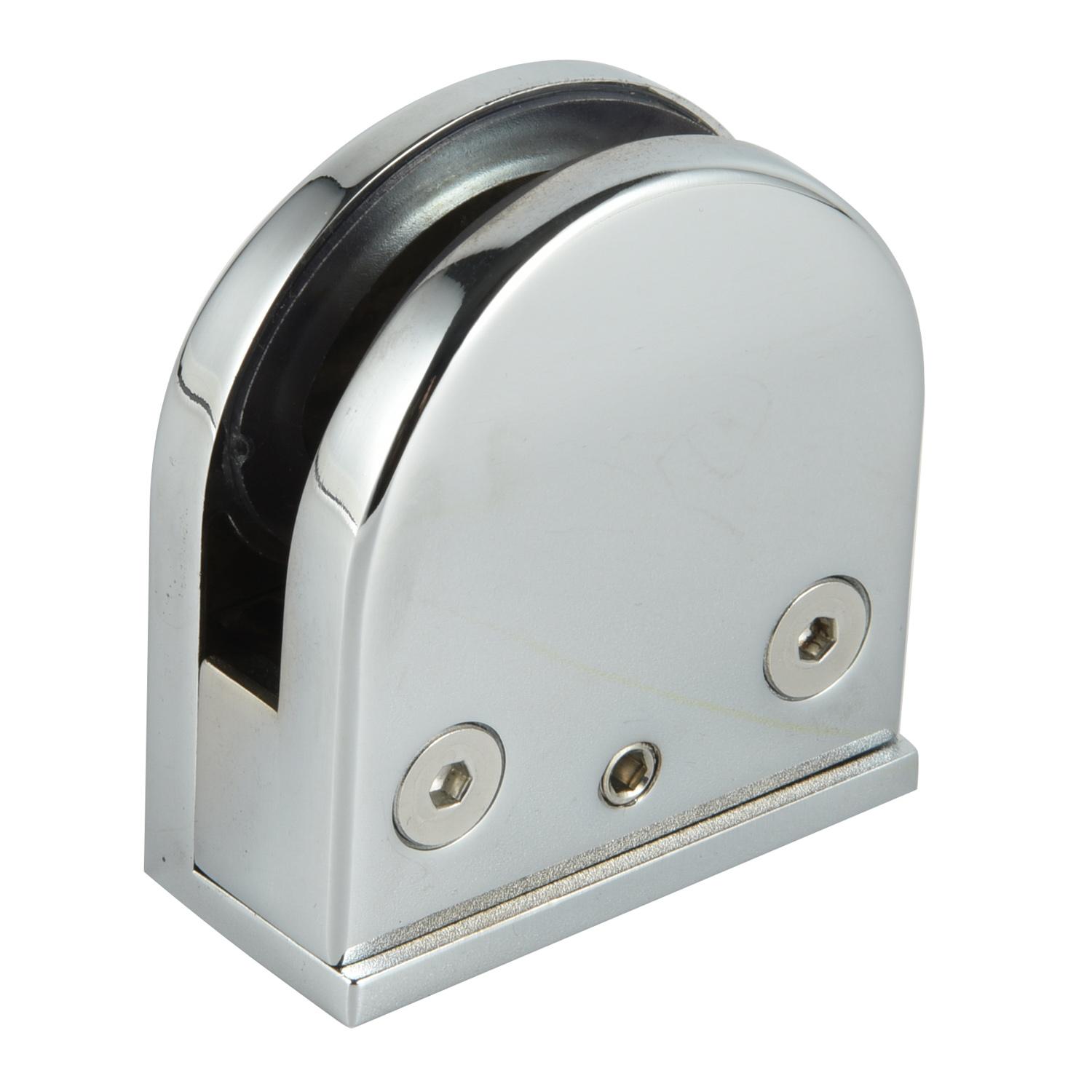
Choosing the appropriate Shower Hinge is essential for ensuring lasting shower door performance. The quality of this critical component directly influences the prevention of common shower door issues, such as sagging, squeaking, or misalignment. Individuals achieve a truly durable and trouble-free shower experience by making informed decisions about their hinge selections.
Key Takeaways
- Choose strong materials like solid brass or marine-grade stainless steelfor Shower Hinges. These materials resist rust and last a long time.
- Look for PVD finishes on hinges. PVD makes hinges very strong and protects them from scratches and rust.
- Match the hinge's weight limit to your shower door's weight. Using hinges that are too small can cause problems and be unsafe.
- Install Shower Hinges correctly. Poor installation can cause hinges to break early or the door to sag.
- Clean your Shower Hinges often with mild soap and water. This stops dirt from building up and keeps them working well.
- Check your hinges for rust or damage. Replace them if they show signs of wear to keep your shower door safe and working.
- Avoid cheap hinges made from Zinc Alloy or plated steel. They break easily and cost more in the long run.
Understanding Ultimate Longevity in a Shower Hinge
What Defines a Long-Lasting Shower Hinge
A long-lasting Shower Hinge ensures consistent performance and reliability over many years. It withstands daily use, moisture, and temperature fluctuations without degradation.
Key Indicators of Durability
Several factors indicate a durable hinge. High-quality materials, such as solid brass or marine-grade stainless steel, resist corrosion effectively. These materials prevent rust and maintain structural integrity in humid environments. Continuous hinges distribute the door's weight evenly, enhancing stability and durability, especially for frequently used shower enclosures. Furthermore, a hinge with adequate weight capacity for heavy glass doors prevents strain and extends its lifespan. Manufacturers design these hinges to support significant loads without compromising function.
Common Failure Points to Anticipate
Hinges often fail due to material fatigue, corrosion, or improper weight distribution. Inferior materials corrode quickly, leading to weakened components and eventual breakage. Over time, constant stress from an oversized door on an undersized hinge causes wear and tear. This stress results in sagging, misalignment, or complete hinge failure. Poor installation also contributes to premature failure, as it places undue stress on specific points of the hinge or glass.
The True Cost of Short-Lived Shower Hinges
Choosing a low-quality shower hinge initially saves money, but it incurs significant long-term costs.
Financial Implications of Frequent Replacements
A glass shower door can last approximately 20 years with proper care. However, shower door components, including hinges, may require replacement after only 10 years if they are not of high quality. Frequent replacements involve not only the cost of new hardware but also labor expenses for installation. These recurring costs quickly surpass the initial savings from purchasing cheaper components. Investing in durable hinges from the outset avoids these repeated expenditures.
Impact on Shower Door Functionality and Safety
Short-lived hinges compromise the shower door's functionality. They lead to doors that squeak, stick, or fail to close properly. This affects the user experience and can cause water leaks outside the enclosure. More critically, failing hinges pose a safety risk. A severely worn or corroded hinge can cause a heavy glass door to detach unexpectedly, potentially leading to injury. Professionals recommend regularly monitoring hinges and replacing them when their performance declines to maintain safety and optimal function.
Essential Materials for a Durable Shower Hinge
The Superiority of Solid Brass Shower Hinges
Solid brass stands as a premier material choice for shower hinges. Its inherent properties make it exceptionally suitable for the demanding environment of a bathroom. Manufacturers often select brass for its combination of strength and aesthetic appeal.
Inherent Corrosion Resistance of Brass
Brass is an alloy primarily composed of copper and zinc. This composition gives it excellent resistance to corrosion, especially in humid and wet conditions. Unlike iron-based metals, brass does not rust. It develops a natural patina over time, which further protects its surface. This characteristic ensures the hinge maintains its structural integrity and appearance for many years, even with constant exposure to water and steam.
High Weight Bearing Capacity for Heavy Doors
Solid brass is a dense and strong material. This strength allows brass hinges to support significant weight without bending or deforming. This makes them ideal for heavy glass shower doors, which require robust support. Using the correct number of hinges ensures proper weight distribution and prevents undue stress on the door or frame.
| Number of Hinges | Weight Capacity (LBS) | Weight Capacity (kg) |
|---|---|---|
| 2 Hinges | 110 | 50 |
| 3 Hinges | 140 | 64 |
This table illustrates the impressive weight capacity of solid brass hinges. Proper selection based on door weight is crucial for longevity.
Stainless Steel Shower Hinges: A Robust Alternative
Stainless steel offers another excellent option for durable Shower Hinges. Its unique properties provide superior performance in specific environments.
Marine-Grade Stainless Steel (316) for Humid Environments
Marine-grade stainless steel, specifically 316, contains molybdenum. This addition significantly enhances its resistance to corrosion, particularly against chlorides and saline solutions. Bathrooms, especially those with high humidity or near coastal areas, benefit greatly from 316 stainless steel hinges. This material resists pitting and crevice corrosion, common issues in such challenging environments. The OEM Factory Shower Frameless Railing Door Glass Clamp, for example, utilizes 316 marine-grade stainless steel, demonstrating its suitability for humid conditions with its 1000+ hours salt spray test performance.
Benefits of Different Stainless Steel Grades
Different grades of stainless steel offer varying levels of corrosion resistance and strength. Understanding these differences helps in selecting the most appropriate material for a Shower Hinge.
| Feature | 304 Stainless Steel | 316 Stainless Steel |
|---|---|---|
| Corrosion Resistance | Good under most conditions | Superior, especially in humid, chemical-rich, or saline environments |
| Key Additive | Chromium | Higher chromium level + Molybdenum |
| Vulnerability | Can be susceptible to rust in harsh conditions or with prolonged chemical exposure | Highly resistant to rust, even in high humidity or chloride-rich areas |
| Suitability | Common for shower door hardware | Ideal for environments with humidity, chemical exposure, or coastal regions |
This comparison highlights why 316 stainless steel is often preferred for ultimate longevity in demanding shower environments.
Avoiding Inferior Shower Hinge Materials
Selecting the right material is paramount for hinge durability. Some materials, while cheaper, lead to premature failure and costly replacements.
Risks Associated with Zinc Alloy and Plated Steel
Zinc Alloy and plated steel are common materials for lower-cost hinges. Zinc Alloy is brittle and susceptible to corrosion, especially when its protective plating wears off. Plated steel, while initially appearing robust, relies entirely on its surface coating for corrosion resistance. Once this plating scratches or chips, the underlying steel rusts quickly. This rust compromises the hinge's structural integrity and appearance. These materials often fail much sooner than solid brass or stainless steel.
How to Identify Low-Quality Components
Identifying low-quality components requires careful inspection.
- Weight: High-quality materials like solid brass and stainless steel are heavy. A hinge that feels unusually light often indicates a Zinc Alloy or hollow construction.
- Finish: Inspect the finish for inconsistencies, bubbles, or thin spots. A poor finish suggests a low-quality plating process, which will not last.
- Magnet Test: A simple magnet test can help. Magnets stick strongly to steel but not to solid brass or 316 stainless steel (though some 304 stainless steel can be slightly magnetic). If a magnet sticks firmly, the hinge likely contains steel, which may rust if not properly protected.
- Price: Extremely low prices often signal compromises in material quality. Investing a little more upfront for superior materials saves significant money and hassle in the long run.
Corrosion Resistance: The Finish Factor for Shower Hinge Longevity
The finish on a shower hinge plays a critical role in its long-term durability and appearance. A high-quality finish protects the underlying material from corrosion and wear. It also contributes significantly to the overall aesthetic of the shower enclosure.
Advanced Plating and Coatings for Shower Hinges
Manufacturers apply various advanced platings and coatings to enhance the performance and look of shower hinges. These finishes offer different levels of protection and style.
Chrome Plating for Enhanced Protection
Chrome plating is a popular choice for shower hinges due to its bright, reflective surface and excellent protective qualities. This finish involves electroplating a thin layer of chromium over a base metal, often brass or stainless steel. Chrome provides a hard, durable surface that resists tarnishing and corrosion effectively. It also makes the hinge easy to clean, maintaining its luster with minimal effort. This finish creates a sleek, modern look that complements many bathroom designs.
Brushed Nickel and Oil-Rubbed Bronze Finishes
Brushed nickel and oil-rubbed bronze offer distinct aesthetic appeals and varying levels of durability. Brushed nickel features a matte, satin-like appearance. It resists fingerprints and water spots well, making it a practical choice for busy bathrooms. Oil-rubbed bronze provides a darker, antique look with warm undertones. This finish often features intentional variations in color to mimic aged metal.
Consider the durability ratings for these popular finishes:
| Finish | Durability Rating |
|---|---|
| Brushed Nickel | High |
| Oil-Rubbed Bronze | Low |
Brushed nickel is highly regarded for its ability to withstand hard water. It does not show water spots, unlike chrome, suggesting good resistance to visible wear. Oil-rubbed bronze is less resilient. This is partly because it is a labor-intensive finish not available in PVD, which generally contributes to lower durability.
PVD Finishes for Ultimate Shower Hinge Durability
Physical Vapor Deposition (PVD) represents a significant advancement in surface finishing technology. It offers superior durability for shower hinges.
Understanding Physical Vapor Deposition Technology
PVD is a vacuum coating process that creates an extremely durable and corrosion-resistant finish. The process involves vaporizing a solid material, such as titanium or zirconium, and depositing it as a thin film onto the hinge's surface. This creates a molecular bond between the coating and the substrate. The result is a finish that is much harder and more resistant to scratches, tarnishing, and corrosion than traditional electroplated finishes. PVD coatings are also environmentally friendly, as they produce fewer hazardous byproducts.
Long-Term Benefits of PVD Coatings
PVD coatings provide exceptional long-term benefits for shower hinges. They offer excellent corrosion resistance and maintain their color stability over time. Standard electroplated finishes, while offering initial corrosion protection, may wear more quickly in high-humidity or high-traffic environments. This leads to premature degradation if one does not properly select them for environmental conditions. PVD coatings on a Shower Hinge can provide an extended lifespan of 10-15 years. This significantly surpasses the longevity of many traditional finishes. The OEM Factory Shower Frameless Railing Door Glass Clamp, for instance, offers Bronze PVD as a finish option, highlighting its commitment to superior durability.
Maintaining Shower Hinge Finishes for Extended Life
Proper maintenance is crucial for preserving the appearance and protective qualities of shower hinge finishes. Regular care prevents buildup and extends the life of the coating.
Recommended Cleaning Practices for Different Finishes
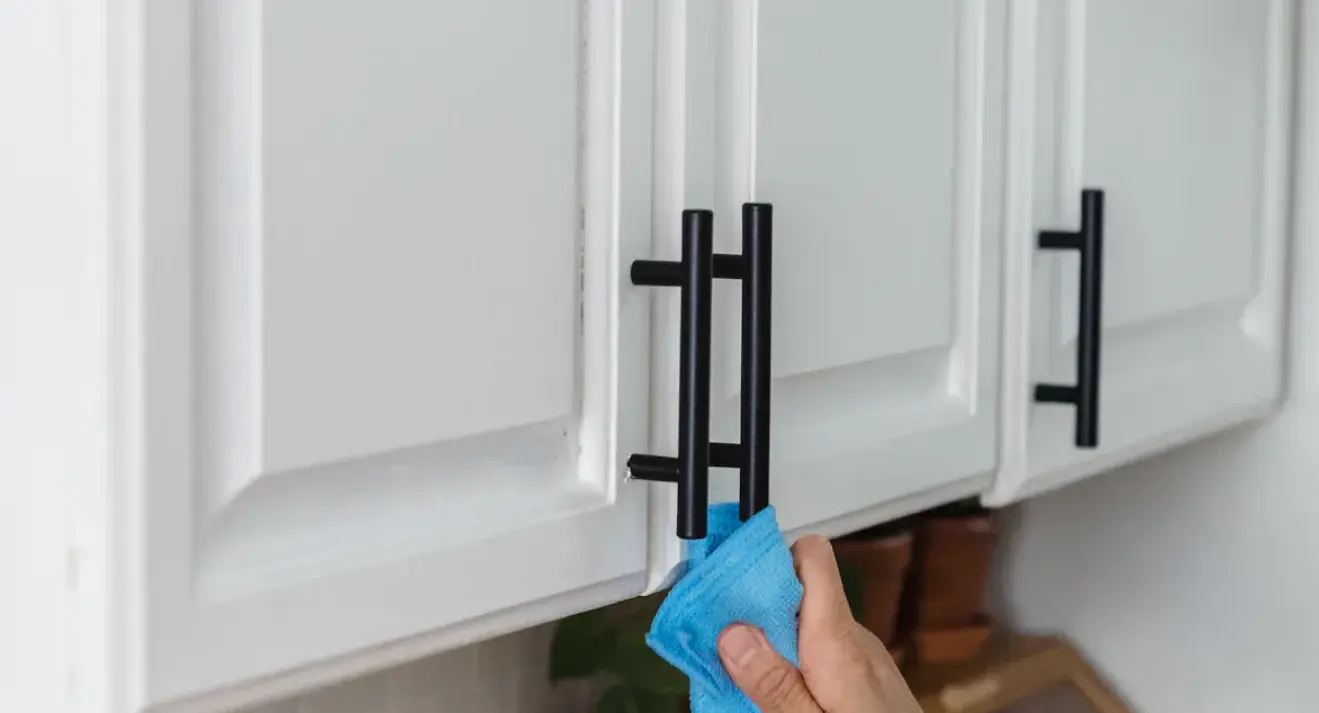
Different finishes require specific cleaning approaches to ensure their longevity. For most finishes, a soft cloth and mild soap are sufficient for routine cleaning.
For PVD-coated shower hinges, follow these recommendations:
- Recommended Cleaning Agents:
- Mild liquid soap mixed with warm water for deeper cleaning.
- Soft, damp microfibre cloth for daily cleaning.
- Clean water for rinsing.
- Agents to Avoid:
- Harsh chemicals such as bleach, ammonia, vinegar.
- Abrasive cleaning powders.
- Scouring pads, steel wool, or rough sponges.
- Oil-based cleaners (especially for Matt Black finishes).
- Vinegar-based descalers.
Always rinse the hinge thoroughly with clean water after cleaning to remove any soap residue. Dry the surface with a soft cloth to prevent water spots.
Preventing Abrasive Damage to Coatings
Abrasive damage can compromise the protective layer of any hinge finish, leading to corrosion and aesthetic degradation. Avoid using harsh scrubbing pads, steel wool, or abrasive cleaners. These materials can scratch the surface, creating microscopic channels where moisture and chemicals can penetrate. Always use soft cloths or sponges for cleaning. Be gentle when wiping the hinges. Regular, gentle cleaning prevents the need for aggressive scrubbing later. This proactive approach helps maintain the integrity and appearance of the finish for many years.
Design and Engineering for Sustained Shower Hinge Performance

The design and engineering of a shower hinge significantly influence its long-term performance. Beyond material selection, the type of hinge, its internal mechanisms, and its weight compatibility all contribute to its durability and functionality.
Impact of Shower Hinge Type on Durability
Different shower hinge types offer varying levels of support and are suitable for specific door configurations. Understanding these distinctions helps ensure optimal performance and longevity.
Pivot Hinges for Heavy Glass Shower Doors
Pivot hinges are a robust choice, especially for heavy glass shower doors. They mount at the top and bottom of the door, allowing it to pivot on a central point. This design effectively distributes the door's weight through the bottom hinge and into the floor or shower curb. This method of weight distribution reduces stress on the wall or frame, making pivot hinges ideal for substantial glass panels.
Wall Mount vs. Glass-to-Glass Shower Hinges
Shower hinges come in various mounting configurations, each with specific applications. Wall-mount hinges attach directly to a wall or fixed panel, supporting the door from one side. Glass-to-glass hinges connect two glass panels, allowing one to pivot relative to the other. The choice between these types depends on the shower enclosure's design and the door's weight.
| Feature | Pivot Hinges | Side-Mount Wall Hinges |
|---|---|---|
| Weight Distribution | Carry weight at the bottom of the door, stabilized by a sound floor. | Attached to the side of the glass door and mounted to the wall. |
| Suitable For | Heavy or large glass doors, providing even weight distribution and support. | Lighter-weight applications, such as small cabinets and doors. |
| Mounting | Top and bottom of the door, pivoting on a central point. | Side of the glass door, mounted to the wall. |
This table highlights how pivot hinges excel in weight distribution for heavier applications compared to side-mount wall hinges, which are better suited for lighter doors.
Self-Closing and Hold-Open Mechanisms in Shower Hinges
Many modern shower hinges incorporate self-closing and hold-open features. These mechanisms enhance convenience and contribute to the hinge's overall durability.
Durability of Internal Self-Centering Mechanisms
High-quality shower hinges often feature internal self-centering mechanisms. These mechanisms typically use springs or cams to gently return the door to a closed position or hold it open at specific angles. The durability of these internal components is critical for long-term performance. Manufacturers rigorously test these mechanisms to ensure reliability.
- High-quality shower hinges are expected to endure 50,000 to 100,000 cycles without failure.
- Manufacturers conduct continuous cycle testing, subjecting hinges to 200,000 opening and closing cycles to simulate extended use.
For commercial or high-traffic environments, the cycle performance expectations are even higher:
| Building Type | Minimum Cycle Performance |
|---|---|
| Commercial Retail | 200,000 cycles |
| Hotels & Hospitality | 300,000 cycles |
| Public Institutions & Hospitals | 500,000 cycles |
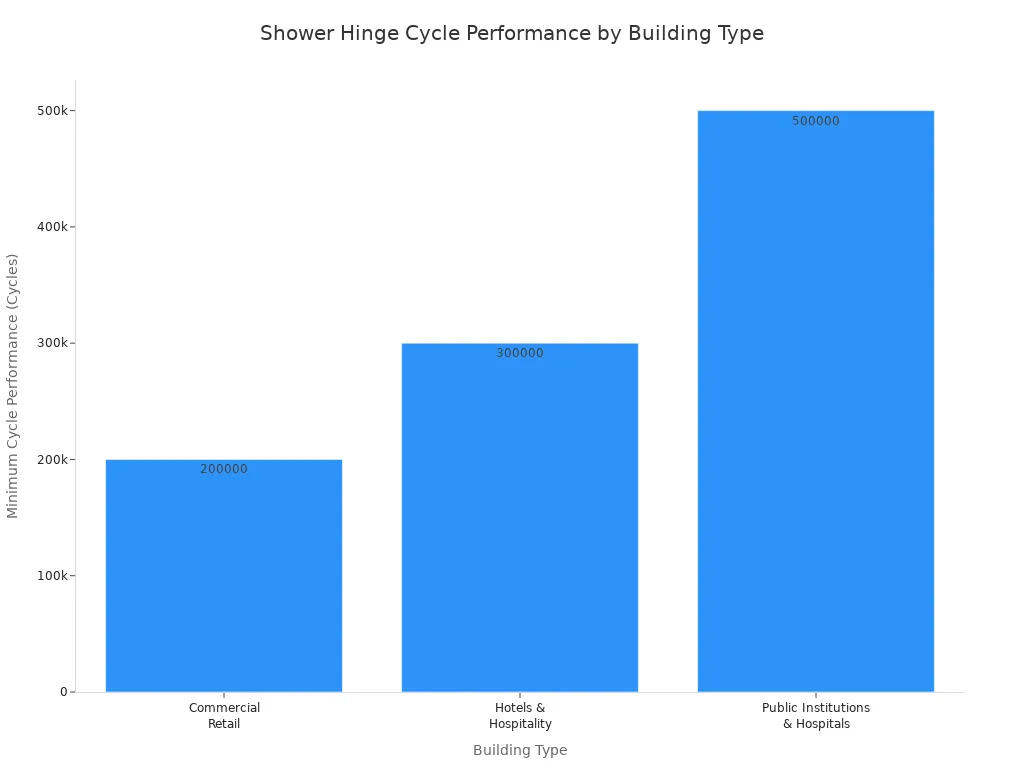
This rigorous testing ensures the internal mechanisms withstand years of repeated use, preventing premature wear and failure.
Benefits of Controlled Door Movement
Self-closing and hold-open mechanisms provide significant benefits. They prevent the door from slamming, which reduces stress on the glass and the hinge itself. This controlled movement minimizes wear and tear on all components of the shower enclosure. It also enhances safety by preventing accidental door swings. A door that closes gently and consistently also helps maintain a watertight seal, preventing leaks and water damage outside the shower area.
Weight Capacity and Door Compatibility for Shower Hinges
Properly matching the hinge's weight capacity to the shower door's weight is paramount for longevity and safety. Overlooking this crucial detail can lead to premature hinge failure and potential hazards.
Matching Hinge Rating to Shower Door Weight
Every shower hinge has a specified weight rating. This rating indicates the maximum weight the hinge can safely support. Installers must accurately weigh the glass shower door before selecting hinges. Choosing hinges with a weight capacity that is too low for the door causes excessive strain on the hinges. This strain leads to accelerated wear, sagging, and eventual failure.
It is advisable to choose shower hinges with a weight capacity slightly exceeding the actual door weight. This practice establishes a safety margin, preventing premature wear and extending the lifespan of the hinge, as hinges constantly operating at their maximum limit tend to degrade faster. For shower hinges, it is recommended to select hinges with a weight capacity that is at least 25% greater than the actual weight of the door. This provides a safety margin and helps ensure the longevity of the hinges.
Importance of Adequate Hinge Quantity for Support
The number of hinges used also plays a vital role in supporting the door's weight. For most standard shower doors, two hinges suffice. However, heavier or wider doors often require three or more hinges. Adding an extra hinge distributes the load more evenly across the door's edge. This reduces the stress on each individual hinge. Proper hinge quantity prevents sagging, maintains door alignment, and significantly extends the lifespan of the entire shower door system.
Installation and Maintenance for Maximizing Shower Hinge Life
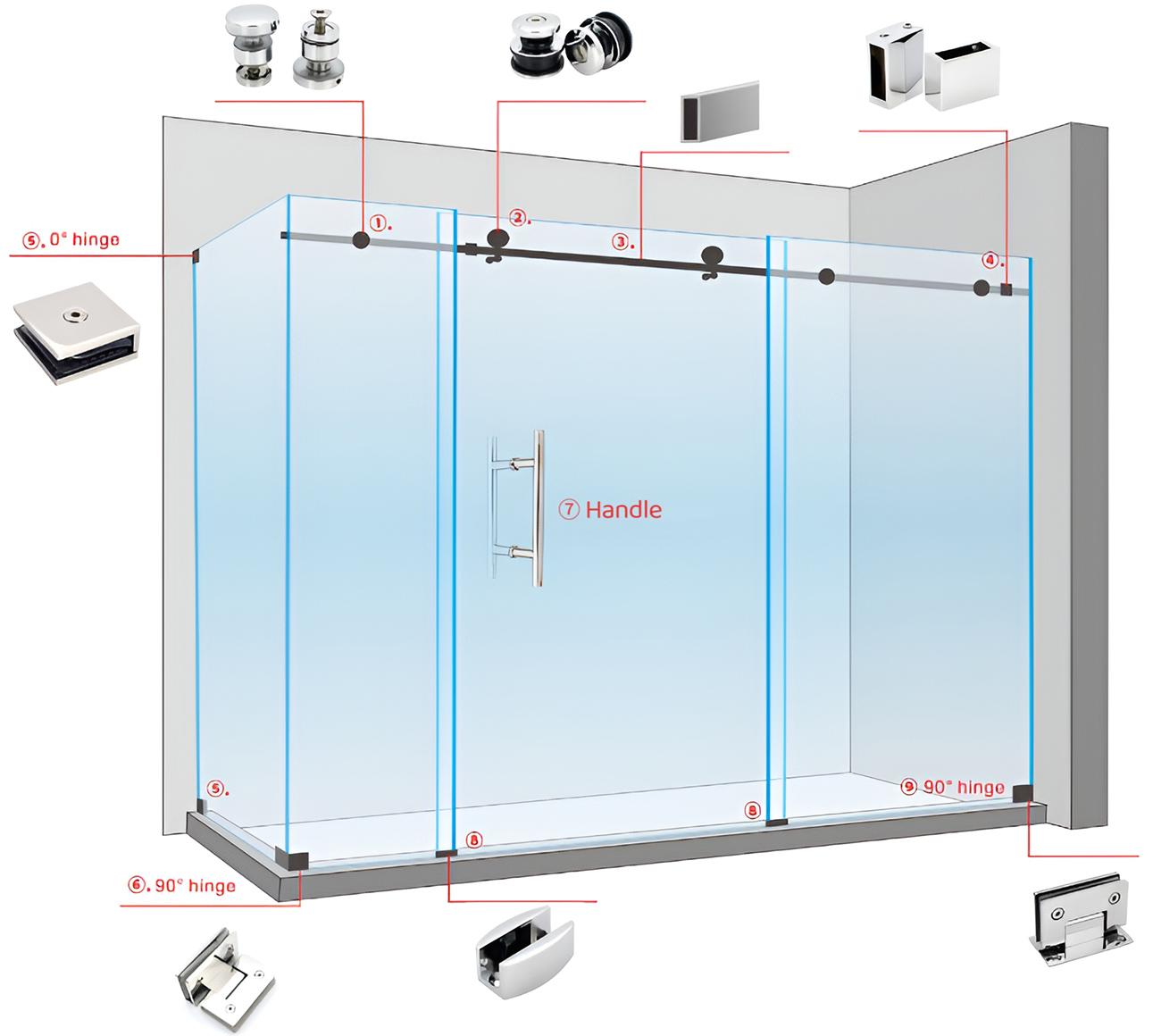
Proper installation and consistent maintenance significantly extend a shower hinge's lifespan. These practices ensure optimal performance and prevent premature wear.
Professional Installation Best Practices for Shower Hinges
Correct installation forms the foundation of hinge longevity. Professionals follow specific steps to guarantee stability and alignment.
Ensuring Proper Alignment and Structural Support
Accurate hinge placement prevents future issues like sagging or uneven closing. Installers measure and mark placement on the door and wall or adjacent glass panel. They carefully drill mounting holes, ensuring alignment with the mounting points. This prevents misalignment. Installers then secure hinges onto the shower door with screws or clamps, ensuring a firm, even connection. They fasten the hinge to the designated mounting surface, verifying stable installation and correct door swing. Finally, they test the door by opening and closing it multiple times to check for smooth movement. They make small adjustments if needed to improve alignment and functionality.
Adjustable hinges allow minor modifications after installation. This feature is crucial for maintaining door alignment and proper function over time. It helps prevent sagging or misalignment. Installers carefully position the glass door onto the hinges, ensuring alignment with the shower opening. They insert hinge pins and gently tap them into place. They verify the door is level and swings smoothly. If the door sags or does not close properly, they check and tighten any loose hinge screws. They avoid overtightening to prevent damage. If tightening screws does not resolve the issue, they slightly loosen screws in adjustable hinge slots to reposition the door. They retighten once alignment is satisfactory. They use a level to check the door's vertical position. They adjust hinges by loosening or tightening screws until the door is properly aligned. After adjustments, they test the door for smooth operation, checking for gaps or misalignment. They make further adjustments as needed.
Avoiding Over-Tightening and Stress on Glass
Over-tightening screws during installation can stress the glass panel. This stress can lead to cracks or damage over time. Installers apply appropriate torque, securing the hinge firmly without excessive force. They use protective gaskets between the hinge and glass. These gaskets cushion the glass and distribute pressure evenly. This prevents direct metal-to-glass contact.
Routine Care for Shower Hinge Longevity
Regular care keeps shower hinges functioning smoothly and looking new. Simple routines prevent common issues.
Simple Cleaning Routines to Prevent Buildup
Soap scum and mineral deposits accumulate on hinges. This buildup can impede movement and accelerate corrosion. Users should wipe hinges regularly with a soft cloth and mild, non-abrasive cleaner. This prevents hard water stains and soap residue. Promptly drying hinges after each shower also minimizes moisture exposure.
Checking and Tightening Loose Screws
Vibrations from daily use can loosen hinge screws over time. Loose screws cause the door to sag or misalign. Users should periodically check all hinge screws. They should gently tighten any loose screws with a screwdriver. This simple maintenance step maintains door alignment and prevents undue stress on the hinges.
When to Consider Shower Hinge Replacement
Recognizing signs of wear helps prevent larger problems. Timely replacement ensures safety and functionality.
Identifying Signs of Wear, Corrosion, or Damage
Several indicators suggest a hinge needs replacement. Rust on hinges, shown by streaks or patches of brown or red coloration, weakens metal components. It jeopardizes their ability to support the glass door. This is a clear sign replacement is necessary to maintain structural integrity and functionality. Difficulty opening or closing glass shower doors can indicate damaged hinges. If repairs are unsuccessful, replacement is recommended for optimal functionality. Squeaking or grinding noises suggest parts, including hinges, are wearing out and failing to perform correctly. Persistent noises despite maintenance indicate a replacement might be imminent. Misaligned hinges are operational and safety concerns. While minor adjustments can sometimes fix alignment issues, persistent problems warrant attention. They potentially require a new shower door to restore proper functionality and prevent hazards.
Proactive Replacement for Preventing Further Issues
Replacing hinges proactively prevents further damage to the shower door or enclosure. A failing hinge can cause the glass door to sag, leading to leaks or even detachment. Early replacement avoids costly repairs or potential safety hazards. It ensures the shower door operates smoothly and securely for years to come.
Common Pitfalls to Avoid When Choosing a Shower Hinge
Selecting the right shower hinge requires careful consideration. Avoiding common mistakes ensures long-term performance and safety. Many individuals overlook critical factors during the selection process.
Overlooking Weight Specifications for Your Shower Hinge
Ignoring a hinge's weight capacity is a frequent error. This oversight can lead to significant problems.
Consequences of Undersized Hinges for Heavy Doors
Using hinges too small for a heavy glass door creates undue stress. This stress compromises the door's stability. The door can become unstable. In severe cases, the door may fall out of its frame. This detachment can lead to serious injuries. Therefore, matching the hinge's capacity to the door's weight is crucial.
Adhering to Manufacturer Guidelines for Safety
Manufacturers provide specific weight guidelines for their hinges. These guidelines ensure safe and reliable operation. Professionals must always follow these recommendations. Ignoring them voids warranties and creates potential hazards. Always verify the hinge's weight rating against the actual door weight.
Compromising on Shower Hinge Material Quality
Choosing cheaper materials often seems appealing. However, this decision usually leads to greater costs later.
Short-Term Savings vs. Long-Term Replacement Costs
Low-cost hinges often use inferior materials. These materials corrode or wear out quickly. This necessitates frequent replacements. The initial savings quickly disappear due to repeated purchase and installation expenses. Investing in high-quality materials from the start saves money over time.
The Hidden Dangers of Cheap, Unreliable Hinges
Cheap hinges pose hidden dangers. They can fail unexpectedly. This failure can cause the shower door to sag or even break. Such incidents create safety risks for users. They also damage other parts of the shower enclosure. Reliable hinges ensure consistent performance and peace of mind.
Improper Installation Techniques for Shower Hinges
Even the best hinges perform poorly with incorrect installation. Proper installation is as important as material quality.
Risks of DIY Installation Without Experience
Many homeowners attempt DIY installation. Without proper experience, they risk damaging the glass or hinges. Incorrect drilling or mounting can weaken the entire structure. This can lead to premature hinge failure. Professional installation ensures correct procedures and optimal performance.
Impact of Misalignment on Hinge Stress and Failure
Misaligned hinges place uneven stress on the door and its frame. This stress accelerates wear on the hinge components. It can cause the door to bind or not close properly. Over time, misalignment leads to hinge failure. Proper alignment during installation prevents these issues. It ensures the hinges operate smoothly and last longer.
Informed shower hinge selection is crucial for lasting shower door performance. Quality materials, such as solid brass or marine-grade stainless steel, significantly contribute to ultimate longevity. Advanced PVD finishes and robust design features also ensure durability. Proper installation and routine maintenance further extend hinge life. Prioritize these elements for a durable, reliable shower solution.
FAQ
What material offers the best longevity for shower hinges?
Solid brass and marine-grade 316 stainless steel offer superior longevity. These materials resist corrosion effectively in humid bathroom environments. They also provide the necessary strength for heavy glass doors.
Why is a PVD finish beneficial for shower hinges?
PVD (Physical Vapor Deposition) finishes create an extremely durable and corrosion-resistant surface. This advanced coating protects the hinge from scratches, tarnishing, and moisture. It significantly extends the hinge's lifespan and maintains its appearance.
How often should one replace shower hinges?
High-quality shower hinges can last 10-15 years or more with proper care. However, users should consider replacement if they notice signs of wear, corrosion, or damage. Proactive replacement prevents further issues and ensures safety.
What are the risks of using undersized hinges for a heavy shower door?
Undersized hinges create excessive stress on the door and hinges. This stress leads to accelerated wear, sagging, and potential hinge failure. It can also cause the heavy glass door to become unstable or detach, posing a safety risk.
How does one properly clean shower hinge finishes?
Users should clean most finishes with a soft cloth and mild, non-abrasive soap. They must avoid harsh chemicals or abrasive scrubbers. Always rinse thoroughly and dry the hinges after cleaning. This prevents buildup and maintains the finish.
What is the purpose of pivot hinges for shower doors?
Pivot hinges mount at the top and bottom of the door. They distribute the door's weight through the bottom hinge into the floor. This design makes them ideal for supporting heavy glass shower doors. It reduces stress on the wall or frame.
Why is marine-grade 316 stainless steel recommended for shower hinges?
Marine-grade 316 stainless steel contains molybdenum. This addition significantly enhances its resistance to corrosion, especially in humid or saline environments. It prevents pitting and crevice corrosion, ensuring long-term durability in bathrooms.