



Top 5 Ways a Floor Drain Protects Your Home From Water Damage
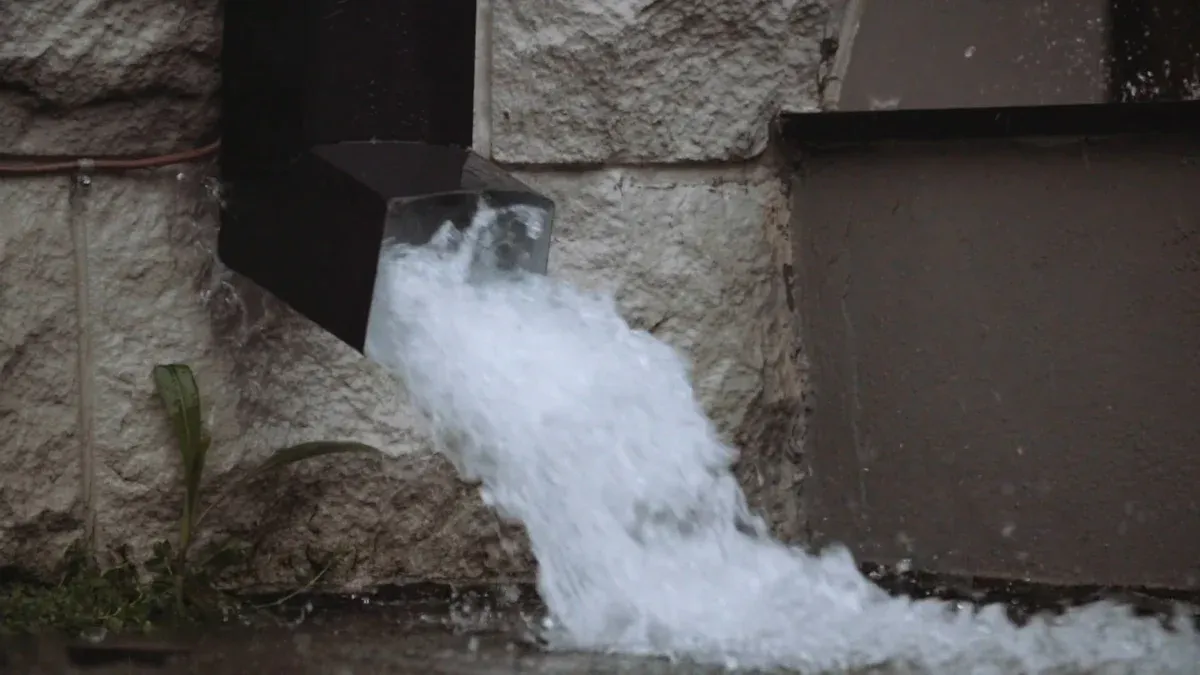
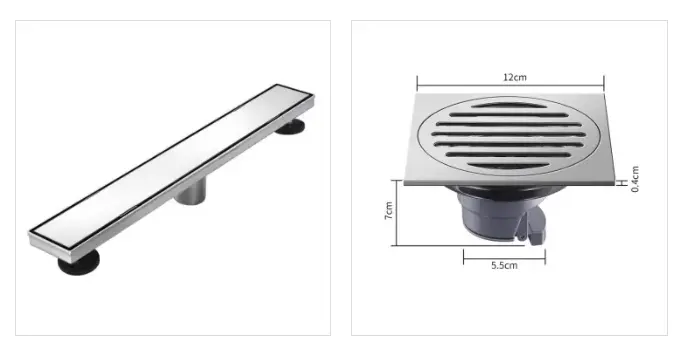
Floor Drains protect your home by providing a critical escape route for unexpected water, preventing accumulation and subsequent damage. These often-overlooked components are essential for safeguarding your property. Water damage is a significant concern for homeowners. Approximately29.4%of all home insurance claims are attributed to water damage and freezing. The average cost for water damage repair is $3,285, with extensive repairs reaching up to $13,000. A properly functioning Floor Drain, such as aSS304 Anti-Odor Floor Drain, can prevent these costly issues. Linear Drainage Stainless Steel Shower Drains and Shower Drain Linear Shower Channel Floor Drain models offer reliable protection against water intrusion.
Key Takeaways
- Floor Drains protect your home from water damage. They provide an escape route for unexpected water.
- A Floor Drain prevents basement flooding. It helps with sump pump failures and heavy rains.
- Floor Drains contain appliance leaks. They manage overflows from washing machines and water heaters.
- Floor Drains stop outside water from coming in. They handle stormwater and melting snow.
- Floor Drains make cleaning spills easy. They help remove liquid messes quickly.
- Floor Drains protect your home's structure. They prevent foundation damage and wood rot.
- Regular cleaning keeps your Floor Drain working well. This stops clogs and bad smells.
- Call a plumber for big drain problems. This includes frequent clogs or water backing up.
Understanding Your Floor Drain
What is a Floor Drain?
Purpose of a Floor Drain
A Floor Drain provides a vital escape route for water. It prevents water accumulation on floors, protecting property from damage.A standard floor drain system includes several key components. The strainer or grate is the visible top part. It prevents larger debris from entering the drain. Beneath the grate, a trap, typically J, S, or U-shaped, holds a small amount of water. This water blocks sewer gases from entering the building. The drain body forms the main channel for water removal. It connects to the building's waste and sewage system. Some systems also feature a cleanout plug. This optional feature facilitates the clearing of obstructions and simplifies cleaning.
Common Locations for a Floor Drain
Floor drains are strategically placed in areas prone to water accumulation. Basements are common locations. They protect against groundwater seepage or sump pump failures. Laundry rooms also frequently feature floor drains. They manage potential overflows from washing machines. Utility rooms, often housing water heaters and HVAC units, benefit from these drains. Garages and commercial kitchens also utilize them for spill management and routine cleaning.
How a Floor Drain Works
The Role of the P-Trap in a Floor Drain
The P-trap in a floor drain plays a crucial role in maintaining indoor air quality. It holds water, creating a barrier. This water acts as a seal, blocking the escape of unpleasant sewer gases into the living space. If the P-trap dries out, the water seal breaks. This allows foul odors to escape into the air. Regular use or occasionally pouring water down the drain keeps the P-trap full.
Gravity-Fed Drainage System of a Floor Drain
Floor drains operate on a simple, yet effective, gravity-fed system. Water flows from the floor surface into the drain opening. Gravity then pulls the water through the drain body and into the connected pipes. Residential floor drains typically have a design flow rate capacity ranging from 5 to 50 gallons per minute (GPM). This capacity allows for efficient removal of unexpected water. The downward slope of the pipes ensures continuous movement of water away from the property.
Connection of a Floor Drain to the Main Sewer Line
The drain body connects to a network of pipes. These pipes eventually lead to the building's main sewer line. This main line then carries the wastewater away from the property. It directs it to the municipal sewer system or a septic tank. This connection ensures that any water entering the floor drain is safely and hygienically removed from the premises.
Floor Drain Protection 1: Preventing Basement Flooding

Safeguarding Against Sump Pump Failure with a Floor Drain
Backup Drainage for Sump Pumps
Basements often face the threat of flooding, particularly from sump pump malfunctions. A sump pump removes excess water from a basement or crawl space. However, these pumps can fail, leaving a home vulnerable. A Floor Drain provides a crucial backup system. It offers an alternative escape route for water when the primary pump stops working. This prevents water from accumulating and causing extensive damage.
Preventing Overflow During Heavy Rains
Heavy rainfall significantly increases the risk of basement flooding. Sump pumps work hard during these periods. Several factors can cause sump pump failure. Power outages frequently shut off pumps, especially during storms when they are most needed. A stuck or faulty float switch prevents the pump from activating. Clogged discharge pipes can cause water to back up. Older pumps, typically lasting 7 to 10 years, are also more prone to failure under stress. An undersized pump might run constantly but still fall behind. When a sump pump cannot handle the volume, the Floor Drain ensures water still has a place to go, preventing overflow.
Managing Groundwater Seepage with a Floor Drain
Redirecting Infiltrating Water
Groundwater seepage poses a continuous threat to basements. Water can infiltrate through foundation cracks or porous materials. A Floor Drain effectively redirects this infiltrating water. It channels the water away from the basement interior, preventing it from spreading across the floor. This proactive measure helps maintain a dry and safe environment.
Protecting Foundation from Hydrostatic Pressure
Groundwater seepage also creates hydrostatic pressure against a home's foundation. This pressure can weaken the foundation over time, leading to cracks and structural damage. Common signs of groundwater seepage include:
- Damp Skirting: Skirting material shows discoloration, swelling, or softening.
- Chipping Paint at Ground Level: Paint or plaster near the floor on exterior or basement walls chips, flakes, or bubbles.
- Mould at Corners: Musty smells, black spots, or fuzzy growths appear where the floor meets the wall.
- Cracks on Flooring: New cracks or hollow sounds indicate water weakening the floor structure.
- Efflorescence: White, chalky powder forms on basement walls or floors.
- Leaking Mortar Joints: Deteriorating mortar between basement blocks leads to weakened walls.
- Wall/Floor Joint Seepage: Water forces its way through the cove joint where walls meet the floor.
A properly installed Floor Drain alleviates this pressure. It provides an outlet for the water, reducing the stress on the foundation. This protection helps preserve the structural integrity of the home.
Floor Drain Protection 2: Containing Appliance Leaks
Mitigating Washing Machine Overflows with a Floor Drain
Immediate Drainage for Appliance Malfunctions
Washing machines can malfunction, leading to significant water spills. A Floor Drain provides immediate drainage for these unexpected events. Several issues can cause a washing machine to overflow. Overloading the machine with too much clothing is a common user error. This can disrupt balance and cause leaks. A faulty water inlet valve can also cause problems. This valve controls water flow into the drum. If it fails, the machine continues to fill with water. A defective pressure switch, which regulates water level, can also lead to overflow. It may not turn off the inlet valve. A clogged air tube to the switch can also be a factor. Low water pressure from the house supply can prevent the inlet valve from closing properly. This causes continuous leaking. Obstructions like debris or lint in the drain pipe restrict water flow. This leads to backups and overflow. Damaged or worn-out hoses can also cause leaks. A malfunctioning water level sensor can fail to detect the correct water level. This results in an overflow. Drain pump failure prevents proper drainage. This causes water backup and flooding. Improper installation, such as unsecured connections, also leads to leaks. The Floor Drain quickly channels this water away. This prevents it from spreading throughout the laundry area.
Preventing Water Spread to Other Areas
An overflowing washing machine can quickly flood a room. This water can seep into adjacent rooms. It can damage flooring, walls, and personal belongings. The Floor Drain contains the water within the immediate area. It directs the water into the drainage system. This action prevents widespread water damage. It also limits the scope of cleanup and repairs.
Handling Water Heater Ruptures with a Floor Drain
Containing Sudden Water Releases
Water heaters are essential appliances. They can also fail, releasing large volumes of water. Residential water heaters typically last 6 to 13 years. Units over 10 years old are prone to failure. Mineral deposits can form a barrier between water and the heating element. This reduces heating efficiency. Strange noises like popping or rumbling indicate mineral buildup. Discolored water suggests rust or contaminants. A leaking or faulty pressure relief valve can lead to dangerous pressure buildup. Visible tank leaks signify corrosion or cracks. A ruptured water heater can release dozens of gallons of water in minutes. A Floor Drain is crucial in these situations. It provides an immediate exit for the water. This prevents rapid accumulation on the floor.
Reducing Damage to Flooring and Walls
A sudden water heater rupture can cause extensive damage. Water can quickly saturate flooring materials. It can also wick up walls. This leads to costly repairs. The Floor Drain minimizes this damage. It directs the water away from the structure. This action protects flooring, baseboards, and drywall. It helps preserve the integrity of the home.
Addressing HVAC Condensate Issues with a Floor Drain
Draining Excess Condensation
HVAC systems produce condensation during operation. This condensate collects in a drain pan. A drain line typically carries it away. However, this line can become clogged. Algal growth or debris can block it. When the drain line clogs, the pan overflows. A Floor Drain provides a secondary drainage point. It captures the overflowing condensate. This ensures proper removal of excess moisture.
Preventing Mold and Mildew Growth
HVAC condensate overflow poses several risks. It can cause water damage to surrounding structures. It can also damage the HVAC equipment itself. The excess moisture creates an ideal environment for mold and mildew. These can lead to unpleasant odors. They can also cause health issues. Untreated corrosive condensate can also corrode equipment and pipes. The Floor Drain prevents these problems. It drains the excess water. This eliminates standing water sources. It helps maintain a dry environment. This action prevents mold and mildew growth. It also protects indoor air quality.
Floor Drain Protection 3: Mitigating External Water Intrusion
Protecting Against Stormwater Runoff with a Floor Drain
Channeling Water Away from the Home
External water intrusion poses a significant threat to home integrity. Stormwater runoff, particularly during heavy rains, can overwhelm a property's defenses. A well-placed floor drain provides a crucial channel for this excess water. It directs the water away from the home's foundation and interior spaces. This proactive measure prevents water accumulation around the building perimeter. It also safeguards the structural components from saturation and damage.
Preventing Entry Through Doors and Windows
Stormwater finds various pathways into a home.
- Stormwater flows into basements, causing damage.
- It can flow down a poorly sealed well shaft, contaminating drinking water.
- Runoff flows onto land from adjacent streets, lands, or stormwater systems, especially if a home is located at or near the bottom of a hill. A floor drain acts as a barrier against these entry points. It captures water before it breaches thresholds or seeps through vulnerable areas. This system effectively prevents water from entering the living spaces. It protects interior finishes and personal belongings from water damage.
Managing Melting Snow and Ice with a Floor Drain
Draining Thaw Water Effectively
Winter brings the challenge of melting snow and ice. Large volumes of thaw water can accumulate around a home. This water, if not managed, can lead to significant problems. A floor drain efficiently collects this meltwater. It directs the water into the drainage system. This prevents pooling and saturation of the ground around the foundation. Effective drainage minimizes the risk of water seeping into the basement or crawl space.
Reducing Risk of Foundation Cracks
Melting snow and ice can lead to water pooling around the home, especially with poor drainage. This is particularly problematic in areas with expansive clay soil, which can become too soft when saturated, failing to adequately support the home. This can result in differential settlement, where one part of the foundation sinks faster than others, causing cracks in the foundation, walls, and floors, as well as bulging walls and uneven doors and windows.
Melting snow and ice can seep into existing cracks in concrete. When this water refreezes, it expands, causing these cracks to widen and exert pressure against the home's foundation. This process can lead to significant damage over time. Improper roof draining and clogged gutters can lead to meltwater accumulating around the foundation. If downspouts are not extended at least five feet away from the house, or if gutters are not cleared, the water can pool and cause damage. Additionally, ice dams form when clogged gutters prevent meltwater from draining, causing water to back up under the roof and refreeze, which can lead to water damage, mold growth, and rot when they eventually melt. Pipes exposed to freezing temperatures for extended periods can freeze. As water freezes, it expands by 9%, increasing pressure within closed pipes and potentially causing them to crack or burst. This can lead to flooding and water damage in surrounding areas, particularly in basements, garages, and crawlspaces. A floor drain helps mitigate these risks. It removes the water before it can penetrate the foundation. This action preserves the structural integrity of the home.
Floor Drain Protection 4: Facilitating Quick Cleanup of Spills
Easy Drainage for Accidental Spills with a Floor Drain
Rapid Removal of Liquid Messes
Accidental spills are an inevitable part of home ownership. Whether a burst pipe, an overturned bucket, or a pet accident, liquid messes require immediate attention. A floor drain provides a crucial outlet for these unexpected events. It allows for the rapid removal of water or other liquids, preventing them from spreading and causing extensive damage. Basement water leaks are a frequent issue for homeowners. These leaks are more than just a nuisance; they indicate a larger underlying problem that, if ignored, can lead to severe consequences. Mystery leaks are also a common problem encountered in utility rooms. These leaks can cause significant damage and are often difficult to trace to their source, sometimes resulting in puddles without clear indications of origin. A floor drain effectively manages these situations.
Preventing Stains and Odors
Prompt removal of spills does more than just prevent structural damage. It also plays a vital role in maintaining the aesthetic and hygienic quality of a home. Standing water can quickly lead to unsightly stains on flooring, carpets, and even walls. Furthermore, stagnant liquids create an environment conducive to mold and mildew growth, which produce unpleasant, musty odors. By facilitating quick drainage, a floor drain minimizes the contact time between the liquid and surfaces. This action significantly reduces the likelihood of permanent staining and the development of persistent, undesirable smells.
Efficient Floor Washing and Maintenance with a Floor Drain
Simplifying Cleaning Procedures
Maintaining a clean and hygienic environment often involves thorough floor washing, especially in utility areas, basements, or garages. A floor drain simplifies these cleaning procedures immensely. Homeowners can freely use water and cleaning solutions to scrub floors without worrying about water accumulation. The drain efficiently collects and channels away the dirty water, eliminating the need for manual bailing or extensive mopping. This feature makes routine maintenance tasks less labor-intensive and more effective.
Ensuring Hygienic Environments
The ability to thoroughly wash floors and drain away wastewater directly contributes to a more hygienic living space. This is particularly important in areas prone to dirt, grime, or potential contaminants. For maintaining a hygienic floor drain area, several cleaning solutions are recommended. These include baking soda, white vinegar, and mild detergent. A mixture of baking soda and water, or a vinegar solution, effectively breaks down grime and neutralizes odors. For stubborn stains and disinfection, a bleach solution is suitable. Diluted bleach or vinegar solution can also scrub components of the trap to eliminate mold and bacteria. For additional sanitation, a further disinfecting solution, such as a diluted bleach mixture, can sit before a final rinse. This comprehensive cleaning capability ensures the removal of bacteria, allergens, and other undesirable elements. It promotes a healthier indoor environment for all occupants.
Floor Drain Protection 5: Protecting Structural Integrity
Preventing Foundation Damage with a Floor Drain
Reducing Water Accumulation Around the Foundation
Water accumulation around a home's foundation poses a serious threat to its structural integrity. Excess water saturates the soil, increasing pressure against the foundation walls. This constant moisture weakens the foundation material over time. It also attracts pests like termites, which further compromise the structure. A drainage system effectively reduces this water accumulation. It channels water away from the foundation, preventing saturation.
Minimizing Risk of Cracks and Shifts
Persistent moisture issues can lead to significant foundation damage. Excess groundwater exerts pressure on the foundation, causing it to lift unevenly. This phenomenon, known as slab heave, results in structural damage such as wall cracks, uneven floors, and misaligned doors and windows. As the foundation shifts, embedded pipes may crack or break, worsening drainage problems. Repairing foundation damage caused by water typically costs between $2,300 and $7,300. This cost varies based on the damage severity and required repair methods. Early detection and prompt action are crucial to avoid more extensive and expensive repairs. A proper drainage system minimizes these risks. It protects the foundation from hydrostatic pressure and prevents costly structural issues.
Safeguarding Against Wood Rot and Mold with a Floor Drain
Eliminating Standing Water Sources
Standing water creates an ideal environment for wood rot and mold growth. These organisms thrive in damp conditions. Wood rot requires moisture, a food source (untreated wood), and temperatures between 65 to 95 degrees Fahrenheit. Mold also needs excess moisture, oxygen, and temperatures between 60 to 80 degrees Fahrenheit. Poor ventilation, roof damage, and inadequate drainage contribute to moisture accumulation. A drainage system eliminates standing water. It removes the primary condition necessary for these destructive growths.
Preserving Joists and Subflooring
The presence of standing water directly threatens a home's wooden components. Joists and subflooring, when exposed to prolonged moisture, become susceptible to rot and decay. This compromises the structural support of floors and walls. Mold growth also degrades wood, weakening its integrity. By effectively removing water, a drainage system preserves these critical structural elements. It prevents costly repairs and maintains the home's long-term stability.
Maintaining Indoor Air Quality with a Floor Drain
Preventing Mold Spore Release
Standing water and damp conditions lead to mold growth. Mold releases spores into the air. These spores can cause allergic reactions, including sneezing, runny nose, and skin rash. They can also trigger asthma attacks in sensitive individuals. While most people breathe in mold spores daily without illness, indoor mold growth requires remediation. A drainage system prevents mold growth by eliminating moisture sources. This action significantly reduces mold spore release into the indoor environment.
Reducing Allergen Exposure
Standing water creates a breeding ground for various biological pollutants. This includes molds, mildews, bacteria, and insects like house dust mites. These organisms are significant sources of allergens. They thrive in damp, warm conditions. Standing water also causes building materials to release harmful substances like formaldehyde and volatile organic compounds (VOCs). These substances are linked to irritation, nausea, dizziness, and respiratory complications. Increased humidity from standing water further promotes mold growth and exacerbates respiratory problems. A drainage system removes standing water. It reduces the presence of these allergens and pollutants. This helps maintain a healthier indoor air quality for all occupants.
Maintaining Your Floor Drain for Optimal Protection
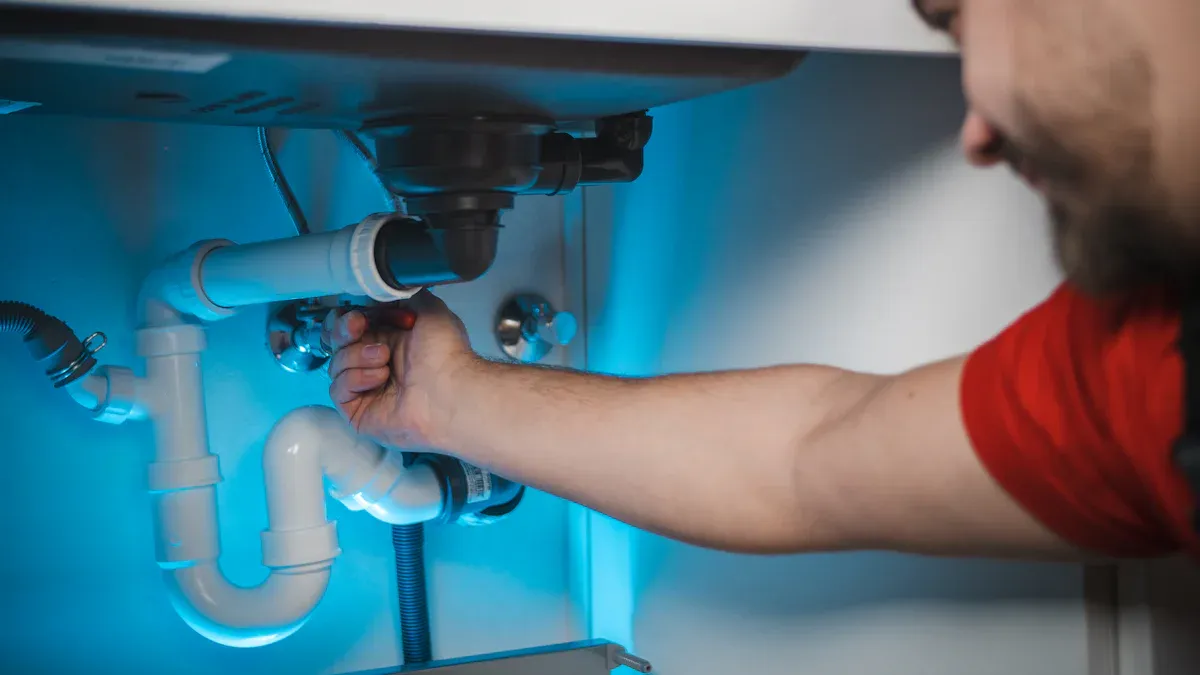
Effective maintenance ensures a floor drain continues to protect a home from water damage. Regular attention prevents common issues and preserves its functionality.
Regular Cleaning and Debris Removal for Your Floor Drain
Preventing Clogs from Hair and Dirt
Floor drains, often located in basements, garages, and some bathrooms, require consistent cleaning. Experts recommend snaking them out annually at a minimum. This annual cleaning prevents sediment and debris buildup, which can compromise their emergency drainage function. Accumulation of hair, dirt, and other small particles commonly restricts water flow. Regularly flushing drains with hot water can loosen existing clogs and prevent new ones.
Using Appropriate Cleaning Tools
Several tools and methods effectively remove hair and dirt from a floor drain. A plunger, specifically designed for floor drains with a larger cup, can dislodge blockages by creating a vacuum and pressure. An auger or drain snake, available in manual and motorized versions, is effective for stubborn clogs. Its flexible cable can reach deep into the drain to break up and remove blockages. A wet/dry vacuum can remove standing water and debris, proving versatile for both wet and dry materials. Enzyme-based drain cleaners are highly effective for grease and oil-related clogs. They break down organic matter and grease without the harshness of chemical cleaners. A mixture of baking soda and vinegar creates a chemical reaction that helps break down clogs; pour baking soda, then vinegar, let it sit, and flush with hot water.
Addressing Dry P-Traps in Your Floor Drain
Pouring Water to Maintain the Water Seal
The P-trap in a floor drain relies on a water seal to function correctly. This water barrier prevents sewer gases from entering the living space. If a drain remains unused for extended periods, the water in the P-trap can evaporate. Regularly pouring a cup of water down the drain replenishes this seal.
Preventing Sewer Gas Odors
A dry P-trap allows unpleasant sewer gas odors to escape into the home. These odors indicate a breach in the protective water seal. Maintaining the water level in the P-trap prevents these foul smells. This simple action contributes to a healthier indoor environment.
Recognizing and Resolving Common Floor Drain Issues
Dealing with Slow Drains
Slow drainage often signals an underlying problem. Debris and sediment buildup, including dirt, dust, small particles, and mineral deposits, commonly restrict water flow. Structural issues also contribute to slow drains. These include broken sewer pipes filling with dirt, tree roots causing damage, and cracks underground. Poor installation and the age of pipes can also lead to blockages. Inexperienced plumbing installations or poor workmanship can result in misaligned pipes or incorrect repair materials.
When to Call a Professional Plumber for Your Floor Drain
Certain indicators suggest a floor drain issue requires professional plumbing intervention. Slow draining from multiple fixtures often suggests a main sewer line blockage. Unpleasant odors from drains indicate trapped debris or potential sewer line issues like cracks or leaks. Frequent clogs, especially in the same fixture or throughout the home, point to systemic problems such as tree root intrusion or deteriorating pipes. Gurgling noises during drainage signal trapped air due to clogs or improper ventilation. Water backing up into fixtures is a serious sign of a severe blockage in pipes or the main sewer line. Unusually wet or lush areas in the yard can indicate a leaking or broken sewer line.
Floor drains are indispensable for safeguarding homes against various forms of water damage. They provide a critical escape route for unexpected water, preventing accumulation and subsequent harm. Their ability to quickly remove this water protects property, preserves health, and offers homeowners peace of mind. Regular maintenance ensures these unsung heroes continue to function effectively, providing continuous protection.
FAQ
What is the primary purpose of a floor drain?
A floor drain provides an essential escape route for unexpected water. It prevents water accumulation on floors. This safeguards property from potential damage.
Where are floor drains typically located in a home?
Homeowners commonly find floor drains in basements, laundry rooms, and utility rooms. Garages and commercial kitchens also frequently feature them. These areas are prone to water spills or leaks.
How does a P-trap protect my home?
The P-trap holds water, creating a seal. This water barrier blocks unpleasant sewer gases from entering the living space. It maintains indoor air quality.
What causes a floor drain to clog?
Hair, dirt, and debris commonly cause floor drain clogs. Mineral deposits and structural issues like broken pipes or tree roots can also restrict water flow.
How often should I clean my floor drain?
Experts recommend cleaning floor drains at least annually. Regular flushing with hot water helps prevent sediment and debris buildup. This ensures optimal function.
Can a floor drain prevent basement flooding?
Yes, a floor drain acts as a crucial backup system. It provides an alternative escape route for water during sump pump failures or heavy rains. This prevents basement flooding.
When should I call a professional plumber for my floor drain?
Call a professional for multiple slow drains, persistent odors, or frequent clogs. Water backing up into fixtures or wet spots in the yard also indicates a need for expert intervention.